Family Fishing in Daytona Beach: What Kids Can Catch & What to Expect

Published: November 13, 2026
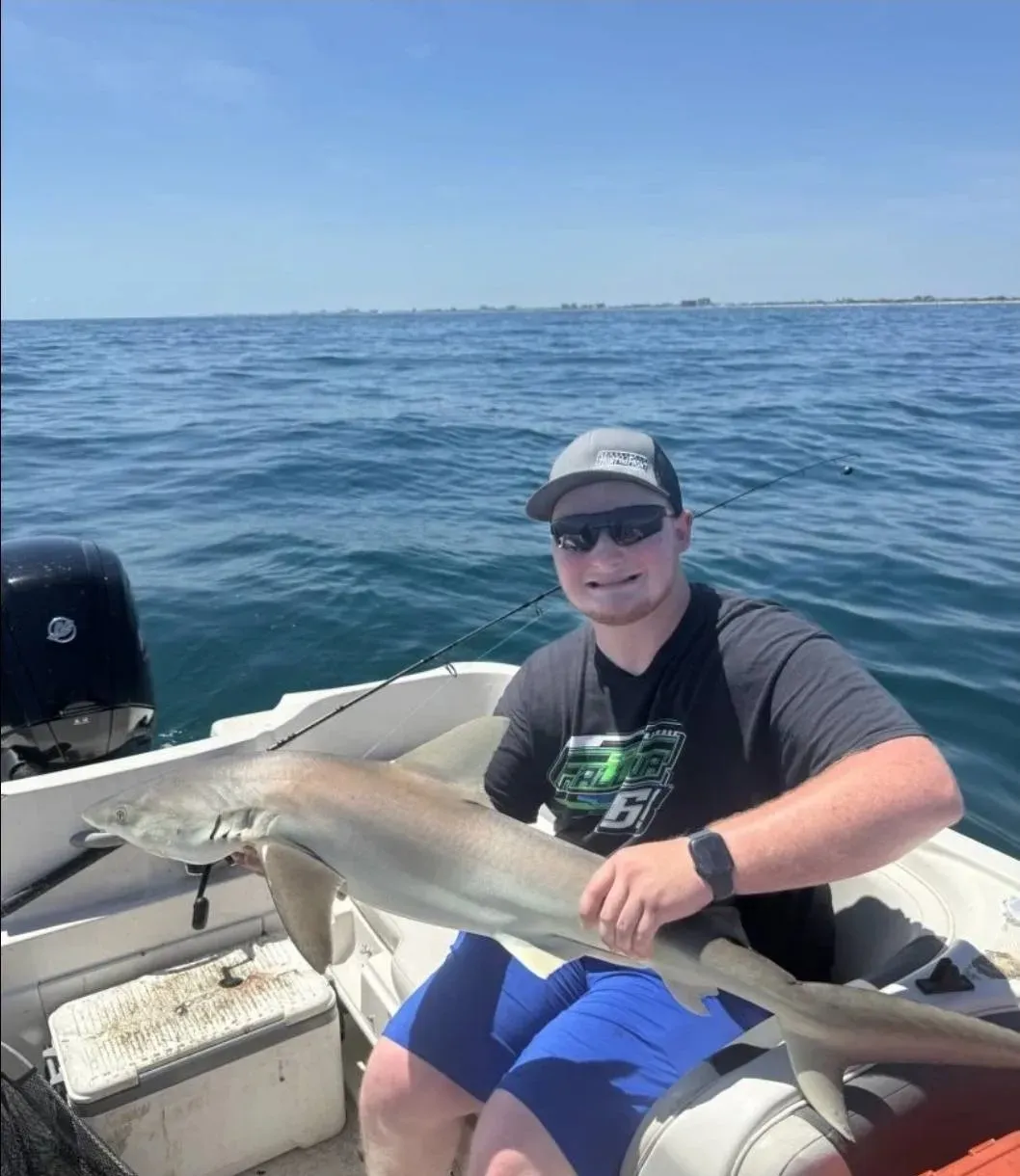
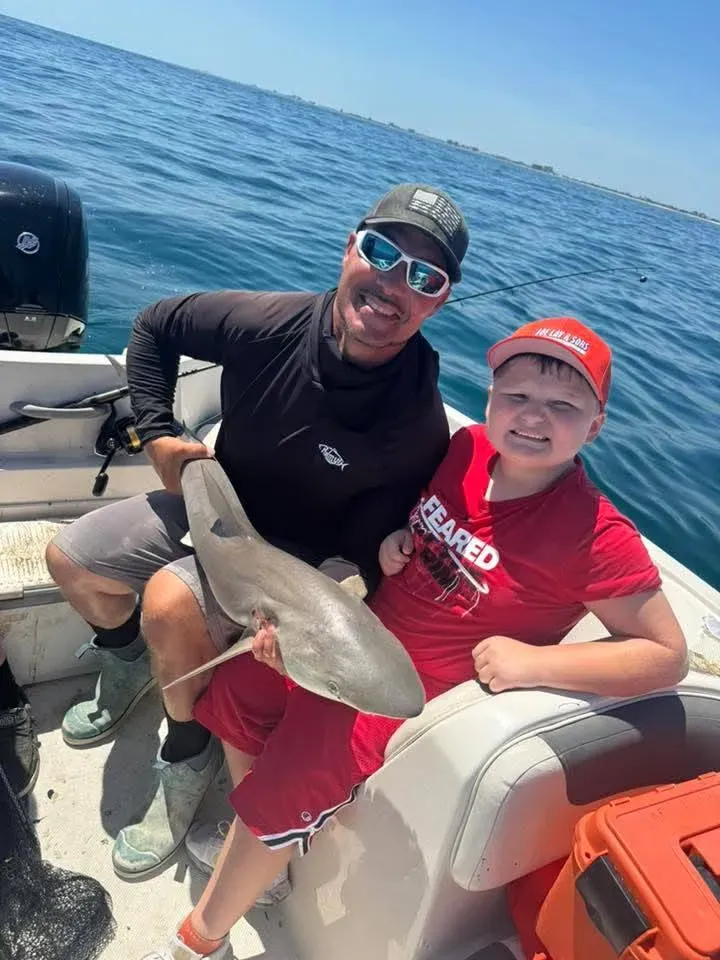
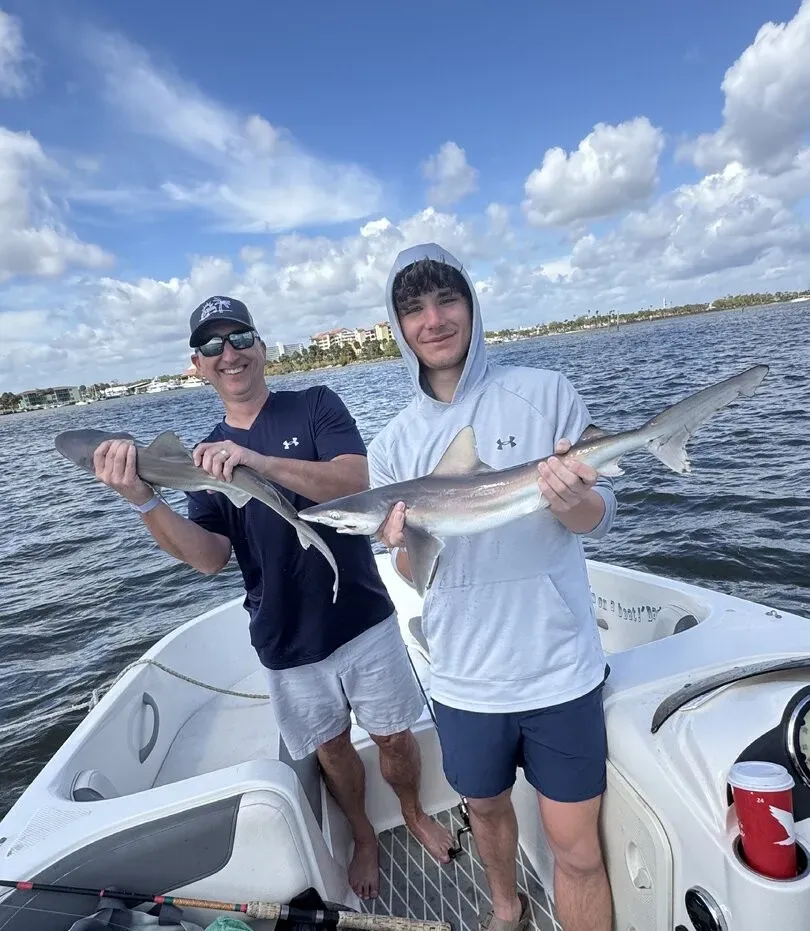
For families considering Family Fishing Daytona Beach, the protected waters around Ponce Inlet, the Halifax River, and nearby estuarine areas offer a practical setting for introducing children to saltwater fishing. Shorter runs, shallow-water structure, changing tides, and a mix of inshore species can keep young anglers involved without committing to a long offshore trip. Redfish, speckled trout, black drum, snapper, sheepshead, and other seasonal species may provide opportunities depending on water conditions and location. For younger children, the fishing approach matters as much as the target species. A shorter inshore trip can reduce travel time, keep more lines in the water, and give kids more opportunities to handle a rod and experience a fish taking the bait.
What Makes Daytona Beach a Good Place for Family Fishing?
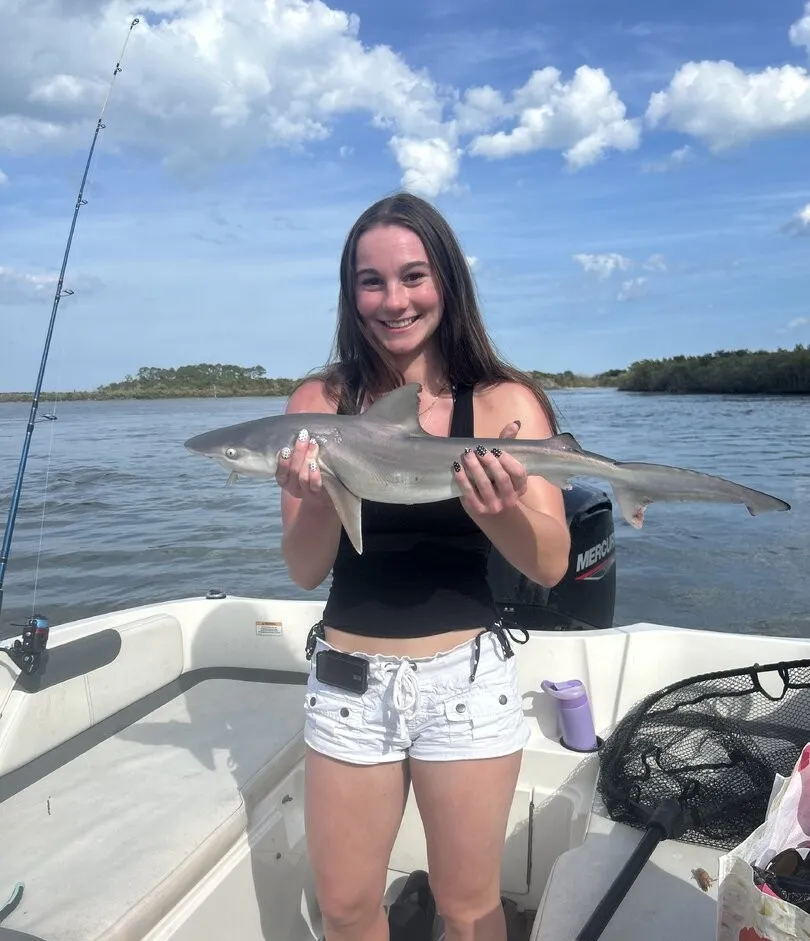
Daytona Beach gives families access to several different fishing environments within a relatively compact area. The Halifax River and nearby estuarine waters provide opportunities to work around docks, bridges, oyster areas, grass flats, and other structure rather than committing the entire trip to a long run offshore. That variety matters when Daytona Beach Family Fishing needs to keep younger anglers involved and allow the captain to adjust the plan as conditions change.
- Sheltered water options: The Halifax River and nearby backcountry areas can provide more protected fishing conditions than exposed Atlantic waters. That can be particularly useful for children who are new to being on a fishing boat.
- Action over a single trophy: A family trip can focus on species that provide opportunities for repeated bites and active fishing rather than spending hours waiting for one large offshore fish.
- Tactical flexibility: Tides influence how fish position around Ponce Inlet and the surrounding waterways. A captain may move between docks, bridge structure, shallow flats, channels, or other productive areas as water movement changes.
- Trip length can match the child: A shorter trip can be more appropriate for younger anglers who are still developing the attention span and patience needed for a longer day on the water.
What Can Kids Catch While Fishing in Daytona Beach?
The species available to children depend on season, tide, water temperature, bait activity, and the specific area being fished that day. That variability is part of what makes Kids Fishing Daytona Beach different from fishing in a controlled environment: the captain has to read the water and adjust the approach rather than following a fixed catch schedule.
Redfish (Red Drum)
Redfish are one of the more engaging inshore targets for young anglers because they can be found in relatively shallow water and provide a strong, steady fight once hooked. Their behavior also creates opportunities for children to see fish activity rather than simply waiting for a bite.
- Local Habitat: Redfish school around oyster bars, salt marsh edges, and shallow backcountry flats, particularly where changing tides move bait into feeding areas.
- The Kid Experience: Shallow-water encounters can create highly visual sight-fishing opportunities. Once hooked, a redfish makes powerful but steady runs that give kids an exciting yet manageable tug-of-war on light spinning tackle.
- Seasonal Context: Redfish can be encountered throughout the year, while late summer and autumn can bring larger fish into shallower water where they are more accessible to inshore anglers.
Speckled Trout (Spotted Seatrout)
Speckled trout offer a different type of experience because their strikes can be highly visual when anglers use a popping cork. For children, having a float to watch gives them a clear indication that something is happening beneath the surface.
- Local Habitat: Speckled trout commonly hold around submerged seagrass, deeper channel edges, and areas where baitfish gather. Their position can shift with water temperature, tide, and bait movement.
- The Kid Experience: Live shrimp fished beneath a popping cork gives young anglers an easy visual reference. Watching the cork suddenly dip or disappear makes it easier for a beginner to recognize a bite and respond to the captain's instructions.
- Seasonal Context: Trout can be active throughout the year, with spring and cooler winter periods often providing productive opportunities when water temperatures and bait conditions are favorable.
Black Drum
Black drum introduce kids to a heavier style of inshore fishing. Rather than relying on speed or repeated jumps, these fish often use their weight and strength to pull steadily against the rod, giving young anglers a different kind of fight to learn.
- Local Habitat: Black drum congregate around heavy bridge pilings, deep docks, rocky structures, and areas influenced by the inlet, where they can feed close to the bottom.
- The Kid Experience: Their initial pull can feel like solid weight on the line. Fighting one teaches children to keep the rod loaded, maintain pressure, and use a controlled lift-and-reel rhythm instead of simply turning the handle as fast as possible.
- Seasonal Context: Larger black drum are commonly associated with cooler water, with late winter and early spring providing opportunities to encounter bigger fish around suitable structure.
Other Species Families May Encounter
The day's catch can also include several other species depending on the season and location:
- Mangrove snapper: Often associated with structure during warmer months and capable of providing quick action around docks and other cover.
- Sheepshead: Commonly found around pilings and hard structure, particularly during cooler periods, but known for their ability to steal bait.
- Ladyfish: Fast, energetic fish that can make repeated runs and spectacular jumps after being hooked.
- Jack crevalle: Powerful, hard-pulling fish that can give an older or more experienced young angler a very different fight.
A family should treat these as possible encounters rather than guaranteed catches. Fish distribution changes with environmental conditions, and the captain's job is to identify where productive water is available that day.
What Does a Kid-Friendly Fishing Trip in Daytona Beach Look Like?
A Kid Friendly Fishing Daytona Beach trip starts before the first cast. After arriving at the dock, the family gets settled aboard and children are fitted with appropriate personal flotation devices as needed. The captain can then establish basic boat and fishing safety rules, including keeping track of rod tips, hooks, and where children should stand or sit while others are casting. For a first-time angler, instructions should be simple enough to understand immediately rather than overloaded with fishing terminology.
Once the boat reaches the first fishing area, the captain can explain what the family is targeting and how the setup will be presented. Depending on the location and technique, that may mean fishing from an anchored position, working around structure, or using a trolling motor to position the boat. The objective is to get children involved quickly while maintaining control of the fishing environment.
What kids may do:
- Bait duty: With adult or captain supervision, children can participate in getting live bait from the boat's livewell.
- The cork watch: A child can monitor a visible float or popping cork and learn to recognize when a fish takes the bait.
- The retrieve: Kids can practice turning the reel handle smoothly while maintaining the correct rod position and following the captain's instructions.
The captain handles the technical and safety-sensitive portions of the operation; children participate at a level appropriate for their age and experience.
How Long Should a Family Fishing Charter in Daytona Beach Be?
For families, trip duration should be based less on maximizing hours and more on maximizing the amount of time a child can remain engaged. A Family Fishing Charter Daytona Beach trip that is too long can turn an exciting first experience into an endurance test, particularly for younger children.
The 4-Hour Half-Day Standard
A four-hour trip can provide a practical starting point for children under 10, particularly when they are new to saltwater fishing. An inshore itinerary can limit travel time and allow the majority of the trip to be spent actively fishing. Moving between two or three areas can also provide enough variety to prevent the day from feeling repetitive.
The 6-Hour Extended Trip
Six hours may make more sense for teenagers or children who already have meaningful freshwater fishing experience and understand the patience involved. The additional time can allow a captain to cover more water or work through changing conditions without making the trip feel rushed.
The Transit Variable
The location of the fishing grounds matters as much as the number of hours booked. An inshore trip can often put a family into productive water much sooner than a trip requiring a long offshore run. Less time spent traveling means more opportunities for children to keep a line in the water and participate in the fishing itself.
What Should Parents Expect During the Fishing Trip?
Tides, wind, water clarity, bait movement, and floating vegetation can change fishing conditions throughout the day, requiring location changes and adjustments in technique to maintain productive fishing.
Parents should expect:
- Environmental Flux: Tides and wind direction influence how fish position around flats, docks, bridges, and other structure. Floating seagrass can also interfere with presentations, prompting the captain to relocate.
- The Downtime Factor: Fish do not bite continuously. A 15- to 20-minute lull is normal and gives children time to watch birds, have a snack, or take a short break.
- Hands-on Tangling: Lines can cross, bait can tangle, and hooks can occasionally catch structure. These situations are normal during fishing and are handled by the captain.
- Active Co-Parenting: The captain manages navigation, positioning, fishing equipment, and boat safety. Parents remain responsible for sunscreen, hydration, snacks, comfort, and supervising their children.
Daytona Beach Fishing for Beginners: What Kids Should Know Before the Trip
Children can start saltwater fishing without previous experience because the captain introduces basic rod handling, bite recognition, and reeling techniques while managing the more technical aspects of the setup.
- Zero Experience Required: Kids do not need to know how to cast, tie knots, select tackle, or identify fish before boarding. Those technical tasks can be introduced during the trip.
- Core Mechanical Concepts: Children can begin by keeping the rod around a 45-degree angle, recognizing the quick tap-tap sensation of a bite, and reeling while maintaining tension.
- Listening as a Skill: Following the captain's immediate instructions is essential when a fish strikes. Knowing when to lift, reel, slow down, or adjust pressure helps children handle fish safely.
What Should Families Bring for a Fishing Trip?
Children need practical protection from sun, wind, and spray rather than extensive personal fishing equipment. Families should confirm the charter's inclusions before bringing rods, tackle, bait, or other gear.
- Visual Protection: Polarized sunglasses reduce glare and help protect children's eyes from sunlight and swinging hooks. Wide-brimmed hats provide additional protection.
- Skin & Stomach Defenses: Apply sunscreen before boarding when possible. Families should also plan ahead for children prone to motion sickness, including discussing appropriate medication with a healthcare professional.
- The Dry Pack: Lightweight windbreakers or rain jackets help protect children from morning chill, wind, and salt spray as conditions change.
- The Gear Audit: Confirm what the charter provides before packing personal fishing equipment. If rods, reels, terminal tackle, bait, and required fishing equipment are supplied, families can leave those items at home.
How Jus Chillin Charters Can Help Make a Family Fishing Trip EasierHow Jus Chillin Charters Can Help Make a Family Fishing Trip Easier
At Jus Chillin Charters, we approach family fishing by keeping the fishing process understandable for children while handling the technical responsibilities that come with running an inshore trip. Before departure, we encourage parents to tell us their children's ages, previous fishing experience, and any concerns that could affect the day.
Once on the water, we can break fishing into simple steps rather than overwhelming a young angler with complicated terminology. A child may start by watching a cork, holding the rod correctly, recognizing a bite, and learning how to reel while maintaining pressure. We handle the navigation, positioning, tackle setup, and adjustments required as conditions change, allowing parents to concentrate on their children.
Our approach also allows the day's fishing to respond to current conditions rather than forcing a family into a predetermined routine. When tides, water movement, or fish activity change, we can adjust locations and techniques to keep the trip productive while maintaining an appropriate pace for the group.
Conclusion
A successful family fishing trip is not measured only by the number or size of fish caught. Children may remember seeing a cork disappear, feeling a redfish pull, or learning to control a rod for the first time. Choosing an appropriate trip length, allowing breaks, and adapting to changing tides can make the experience more enjoyable for everyone. Professional local guidance also removes much of the technical pressure from parents who may be new to saltwater fishing. To plan an inshore trip suited to your family, contact Jus Chillin Charters and discuss your children's ages, experience, and fishing goals.
FAQs
1. What is the best age for a child to go on a fishing charter in Daytona Beach?
There is no single ideal age because children's comfort, attention span, and ability to follow instructions vary. Parents should discuss their child's age and experience with the captain before selecting a trip.
2. Can toddlers go on a Daytona Beach fishing charter?
Some charter trips may be suitable for young children, but parents should confirm age requirements, available safety equipment, and the type of fishing planned before booking.
3. Is fishing from a boat safe for children?
Boat fishing requires children to follow specific safety rules, remain in designated areas, and listen to the captain. Parents should also supervise children throughout the trip.
4. Do children need a fishing license in Florida?
Florida fishing-license requirements depend on factors such as the child's age, residency, and type of fishing. Families should check the current Florida regulations before their trip.
5. What should a child wear on a Daytona Beach fishing charter?
Lightweight clothing, a hat, sunglasses, non-slip footwear, and a lightweight rain or wind jacket are practical choices. Clothing should also provide protection from sun and changing weather.
6. Can kids keep the fish they catch in Daytona Beach?
Whether a fish can be kept depends on the species, size, season, bag limit, and current Florida regulations. The captain can help families understand the applicable rules for the fish caught.
7. What happens if my child gets seasick during a fishing trip?
Parents should tell the captain if their child is prone to motion sickness. Choosing protected inshore waters can reduce exposure to heavier ocean conditions, while appropriate preparation before departure can also help.
8. Are fishing charters suitable for children who cannot swim?
Swimming ability and boat safety are separate considerations, but parents should inform the charter operator beforehand. Children must follow all onboard safety instructions and use required personal flotation equipment.
9. Can a family fishing trip accommodate grandparents and children together?
A family trip can include different generations, provided the boat's passenger capacity and trip conditions are appropriate. Families should discuss the group's ages and mobility needs when arranging the charter.
10. What should parents tell a Daytona Beach fishing charter captain before the trip?
Parents should provide the children's ages, previous fishing experience, expected trip length, comfort level on boats, and any concerns that could affect their time on the water. This information helps the captain plan appropriately.