Daytona Beach Inshore Fishing: Best Fish to Catch, Techniques & Seasons

Published: November 13, 2026
The fish may be in the same river, but they do not always feed in the same place or respond to the same presentation. Daytona's inshore waters offer a changing mix of flats, channels, docks, bridges, and current breaks, giving anglers several species to target throughout the year. Daytona Beach Inshore Fishing can put you in range of Redfish, Snook, Black Drum, Sheepshead, and sharks, with each species responding differently to water temperature, tide, bait, and structure. A productive trip starts with knowing what you are targeting and where that fish is likely to hold. From choosing the right technique to timing your trip around seasonal patterns, understanding these details can help you spend less time guessing and more time fishing productive water.
What Fish Can You Catch While Inshore Fishing in Daytona Beach?
Daytona's inshore waters offer several species that can be targeted with light tackle, bottom rigs, jigs, or natural bait. The right choice depends on where fish are holding and what they are feeding on.
Redfish: Flats, Edges and Backwater Structure
Redfish are a popular inshore target because they can use a variety of habitats around Daytona. Depending on the tide and water conditions, they may move onto shallow flats to feed or hold along deeper edges, channels, and protected shoreline areas.
Best approaches:
- Cast soft plastics or jigs around shallow edges and structure.
- Use natural bait when conditions call for a slower presentation.
- Look for bait activity rather than fishing empty-looking water.
- Pay attention to tide direction because moving water can push bait into areas where Redfish are feeding.
Practical tip: If Redfish are using shallow water, boat position becomes important. Getting close enough to make an accurate cast without pushing fish out of the area can be more effective than making repeated casts from too far away.
Snook: Current, Docks and Ambush PointsSnook: Current, Docks and Ambush Points
Snook are closely associated with structure and moving water. Around Daytona's inshore system, docks, bridges, deeper edges, current seams, and other ambush points can all be worth checking.
Snook can sit where current brings food within striking distance rather than constantly moving through open water. This makes current direction an important part of choosing where to fish.
Best approaches:
- Work live bait near productive structure.
- Cast soft plastics around docks, edges, and current seams.
- Focus on areas where moving water meets slower water.
- Adjust the presentation when fish are holding deeper or tighter to cover.
Practical tip: Don't focus only on the structure itself. Watch how the current moves around it. A piling or dock can become much more productive when water is pushing bait past it. Snook regulations can include seasonal and harvest restrictions, so check the current Florida rules before planning to keep a fish.
Black Drum: Bottom Structure and Deeper Water
Black Drum are well suited to anglers who prefer bottom fishing around structure. Bridges, channels, docks, and areas with a firm bottom can provide places for these fish to feed.
Best approach:
- Present natural bait close to the bottom.
- Fish around deeper structure where current carries food.
- Use enough weight to maintain bottom contact without creating an unnecessarily heavy presentation.
- Watch the current because stronger flow can require adjustments to your rig.
Practical tip: If your bait is constantly drifting away from the productive area, adjust your weight or position before completely changing your bait or location.
Sheepshead: Hard Structure and Current
Sheepshead are another structure-oriented species and are commonly associated with hard surfaces such as bridge pilings, docks, rocks, and other cover. They often require a more precise presentation than species that actively chase moving lures. Keeping bait close to structure while maintaining enough control to detect bites is important.
Best approaches:
- Fish small baits close to pilings and other hard structure.
- Use light enough tackle to maintain sensitivity while still controlling the fish.
- Position the boat so the bait can be presented alongside productive structure.
- Adjust for current rather than allowing the bait to swing too far away.
Practical tip: Structure fishing rewards accuracy. If your bait is several feet away from the area where Sheepshead are holding, even a good bait may not produce.
Sharks: When You Want a Different Kind of Inshore Fight
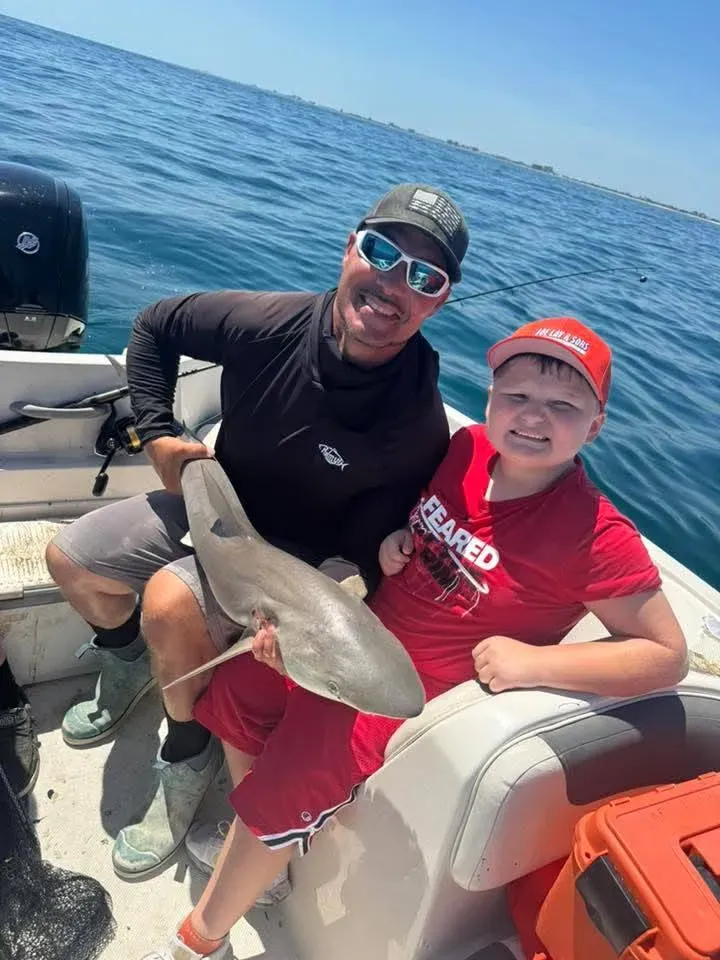
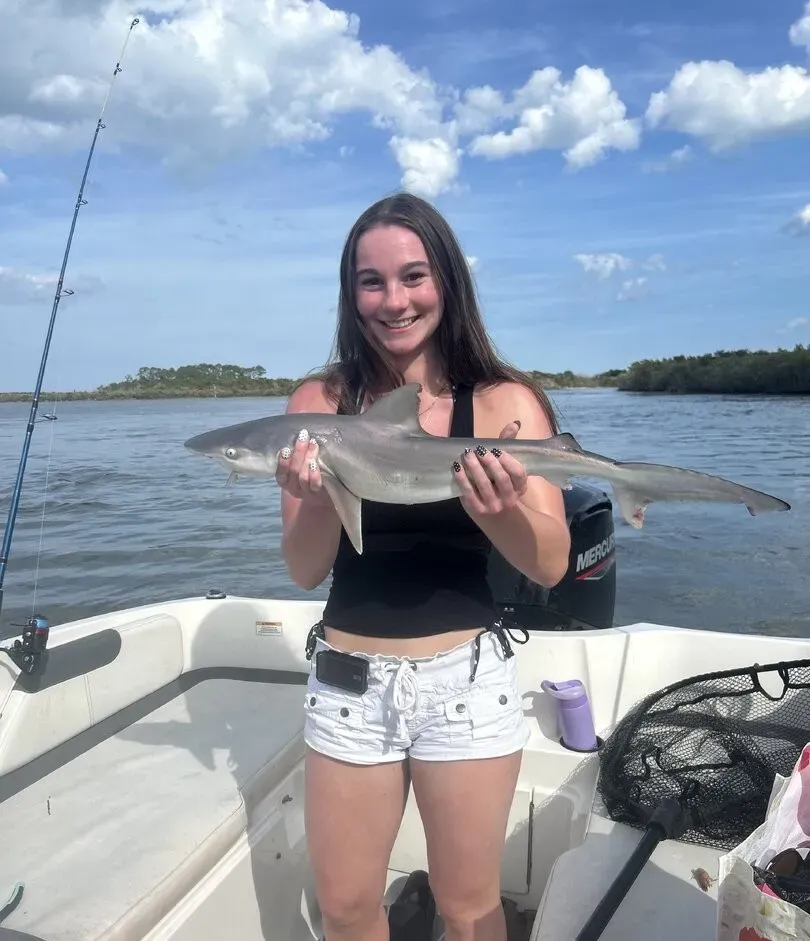
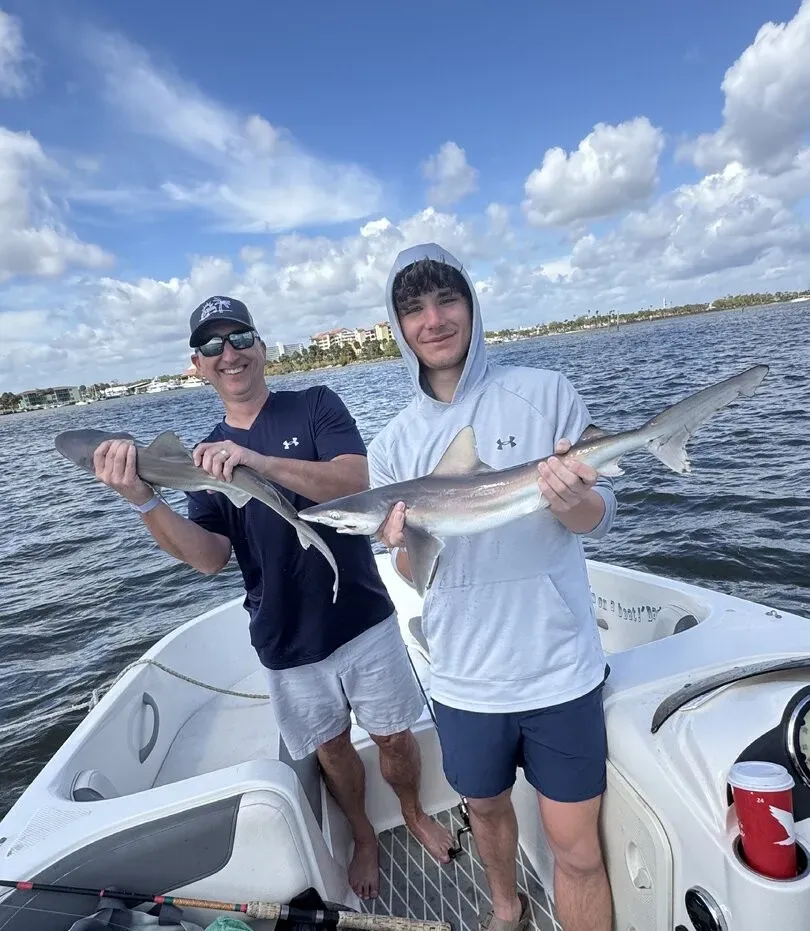
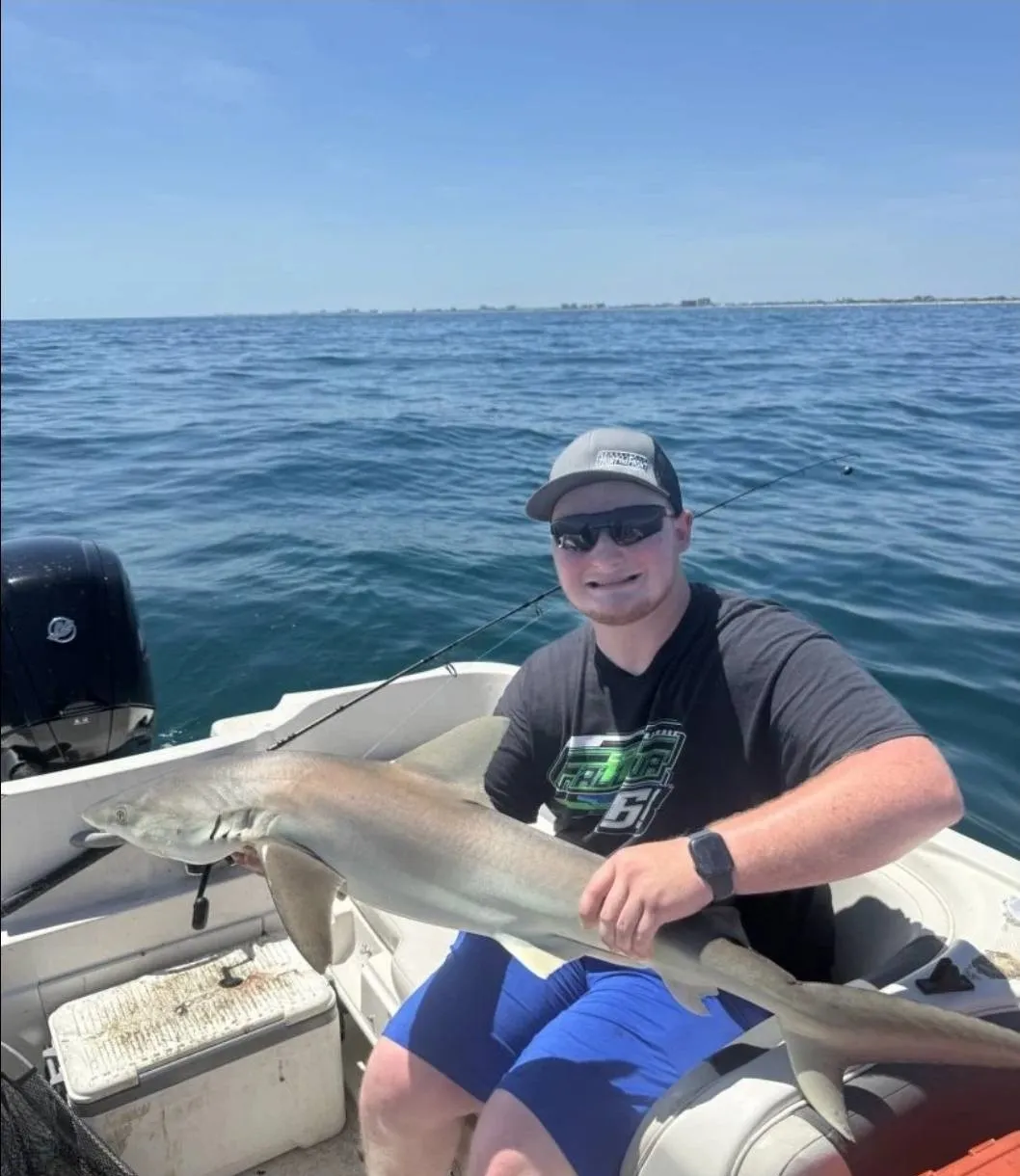
Shark fishing offers a very different experience from targeting Redfish or Sheepshead. Jus Chillin Charters lists Blacktip, Bonnethead, and Bull Sharks among its potential shark targets, with the exact species depending on conditions and availability.
Shark fishing generally involves heavier tackle and larger bait presentations than light-tackle inshore fishing. Instead of working a lure around a dock or piling, the focus shifts toward presenting bait where sharks are likely to move and feed.
Practical tip: If shark fishing is your priority, ask about the expected target species and tackle before the trip. Shark fishing requires a different setup from a light-tackle Redfish or Sheepshead trip.
Where to Look for Fish in the Halifax River
Halifax River Fishing is not simply about finding deeper water. Different species use different parts of the system, and the most productive areas often combine structure, current, depth, and bait.
Bridges, Docks and PilingsBridges, Docks and Pilings
Bridge pilings and docks can create changes in current that concentrate bait and provide ambush points for predators. They can also provide hard surfaces that attract species such as Sheepshead and areas where Black Drum may feed. For Snook, focus on the relationship between structure and current rather than casting randomly around a bridge. A piling with stronger current on one side may fish differently from a nearby piling in slower water.
Flats and Shallow Edges
Shallow flats can become important feeding areas, particularly when the tide allows fish to move onto them. Redfish may use shallow water and shoreline edges when conditions are suitable.
Look for:
- Baitfish activity
- Small depth changes
- Grass or other submerged cover
- Cuts connecting shallow and deeper water
- Current moving across the flat
A flat that looks featureless from above can fish very differently when one section has slightly deeper water or better current flow.
Channels, Drop-Offs and Current SeamsChannels, Drop-Offs and Current Seams
Channels and drop-offs provide a transition between shallow and deeper water. Fish can use these edges to move between feeding areas and deeper holding water without crossing large expanses of open bottom. Current seams are particularly useful because water moving at different speeds can push bait into predictable areas. Instead of automatically fishing the deepest part of a channel, look for the combination of depth change and moving water.
Practical takeaway: When searching new water, start by identifying where current, structure, bait, and depth changes overlap. Those combinations give you a stronger starting point than depth alone.
Which Techniques Work Best for Daytona Beach Inshore Fishing?
There is no single technique that fits every inshore species. The presentation should match where the fish are holding and how aggressively they are feeding.
Light-Tackle Casting
Light tackle is useful when targeting species such as Redfish and Snook around flats, shoreline edges, docks, and current seams.
Soft plastics and jigs can cover water while allowing anglers to work different depths and retrieve speeds. Accurate casting becomes especially important around structure, where fish may be holding close to cover.
- Choose the Right Casting Area: Look for shallow edges, structure, current seams, or visible bait activity before making repeated casts.
- Set the Lure Depth: Let the soft plastic or jig sink to the depth where fish are holding. Shallow fish may require only a short pause, while deeper fish may need more time.
- Work the Lure: Start with a steady retrieve. If fish are following without striking, slow the retrieve or add short pauses.
- Cast Around Structure: Place casts close to docks, pilings, and edges where fish are likely to hold, but avoid repeatedly allowing the lure to get stuck in the structure.
- Change One Variable: If the fish are still present but not striking, change the retrieve speed or lure depth before completely abandoning the area.
Bottom Fishing
Bottom fishing fits species such as Black Drum and Sheepshead that commonly feed around deeper structure and the bottom.
The goal is to keep the bait close enough to the bottom to reach the fish while maintaining enough sensitivity to detect a bite. Current strength affects how much weight is needed and how the bait moves.
- Choose the Right Weight: Use enough weight to keep your bait near the bottom without making the rig unnecessarily heavy.
- Drop to the Bottom: Lower the rig until you feel it reach the bottom, then take up enough slack to maintain contact.
- Keep the Bait in Position: Try to keep the bait near the structure or bottom area where fish are holding instead of allowing the current to carry it too far away.
- Watch Your Line: Pay attention to changes in line tension. A sudden change can indicate that a fish has picked up the bait.
- Adjust for Current: If your rig keeps lifting off the bottom, add a little weight or reposition the boat. If it constantly drags or snags, reduce the weight or change your position.
Jigging
Jigging can be effective around deeper structure and areas with moving current. The weight of the jig should allow you to maintain contact with the area being fished without making the presentation unnecessarily heavy.
- Find the Productive Depth: Use your fish finder or known depth information to determine where fish are holding, then work the jig through that zone.
- Drop the Jig: Let the jig reach the desired depth while keeping enough tension in the line to feel its movement.
- Lift and Drop: Raise the rod tip to lift the jig, then lower it and allow the jig to fall under control.
- Change the Retrieve: If fish are following without striking, change how high you lift the jig or how quickly you work it.
- Adjust the Weight: If current prevents you from feeling the jig, use a heavier option. If the jig drops too quickly or repeatedly gets snagged, a lighter option may give you better control.
Live Bait and Natural Baits
Natural bait can be useful when targeting inshore predators and bottom-feeding species. The appropriate bait depends on the target species, location, current, and conditions.
The important point is to match the bait presentation to the fish's feeding position. A good bait presented several feet away from the productive structure may be less effective than a properly positioned presentation.
- Choose the Bait: Select bait that matches the species you are targeting and the conditions you are fishing.
- Find the Feeding Depth: Present the bait at the depth where fish are holding rather than leaving it several feet above or below them.
- Work With the Current: Allow the bait to move naturally with the current when the conditions make that presentation effective.
- Fish Near Structure: Keep the bait close enough to docks, pilings, rocks, or other productive structure to reach fish without allowing it to constantly snag.
- Check the Bait: Inspect the bait regularly to make sure it remains active and properly positioned on the hook.
When Is the Best Time for Inshore Fishing in Daytona Beach?
There is no single month that produces the same fishing every year. Water temperature, bait movement, rainfall, tide, and weather can all affect where fish hold. Seasonal patterns can still help anglers decide which species and techniques to prioritize.
Winter: Focus on Structure and Deeper Water
Cooler water can change how inshore fish move and feed. Black Drum and Sheepshead can be useful targets around deeper structure, bridges, docks, and other hard-bottom areas.
- Fishing approach: Slow down the presentation and keep bait close to structure when fish are less active.
- What to watch: Water temperature and changes in current can affect whether fish remain in deeper areas or move into shallower water.
Spring: More Activity Across the Inshore System
As water temperatures rise, fish activity can increase across flats, shorelines, channels, and structure. Redfish and other inshore species can become more active as feeding conditions improve.
- Fishing approach: Work shallow edges and flats when fish move into them, then check nearby drop-offs if the shallow water is not producing.
- What to watch: Baitfish activity is an important clue. Areas holding bait are often worth more attention than empty-looking water.
Summer: Early, Late and Current-Driven Opportunities
Warmer water changes how fish use the inshore system. Snook can remain associated with current and structure, while shark fishing can provide another option when conditions are suitable.
- Fishing approach: Pay close attention to current, structure, and the time of day. Adjust your presentation when bright conditions or warmer water change fish positioning.
- What to watch: Wind, thunderstorms, water temperature, and changing tides can all affect the day's fishing pattern.
Fall: Follow Bait and Changing Water Temperatures
As water temperatures begin to fall, fish behavior can change again. Redfish, Black Drum, Sheepshead, and other inshore species may respond differently as bait movement and water conditions change.
- Fishing approach: Check both shallow and deeper areas instead of assuming fish will remain in the same locations they used during summer.
- What to watch: Cooling water and concentrations of bait can help identify areas worth fishing.
How Tide and Water Conditions Affect Daytona Beach Inshore Fishing
Tide and water movement can change how fish use the same area. A flat, dock, or channel that produces during one stage of the tide may become less productive when the current changes.
- Incoming Tide: Rising water can give fish access to shallow feeding areas and move bait toward shorelines and flats.
- Outgoing Tide: Falling water can pull bait from shallow areas toward channels, cuts, and deeper water. These transition points can be worth checking.
- Current: Moving water can concentrate bait around pilings, drop-offs, and current seams. Pay attention to which side of structure receives the strongest flow.
- Water Clarity: Clearer water may require a more natural presentation, while stained water can affect lure visibility and how fish locate bait.
- Water Temperature: Temperature changes can influence where fish hold and how active they are. A sudden change may be more important than the calendar date.
What Should You Know Before Booking a Daytona Beach Inshore Fishing Charter?
Choosing a Daytona Beach Fishing Charter is easier when you know what you want to target and what type of fishing you prefer. A trip focused on Redfish and Snook can involve different locations and presentations from one focused on Black Drum, Sheepshead, or sharks.
Before booking, ask about:
- Target Species: Ask which fish are realistic targets for the time of year and current conditions.
- Fishing Area: Confirm whether the trip will focus on the Halifax River or other nearby inshore waters.
- Fishing Methods: Ask whether the trip is likely to involve light tackle, bottom fishing, jigging, or natural bait.
- Equipment: Confirm what rods, reels, tackle, and bait are provided.
- Licenses: Ask whether the required fishing license is included or whether you need to arrange one separately.
- Trip Details: Confirm the departure location, trip length, meeting time, and what you should bring.
- Weather Plans: Ask how changing wind, storms, or unsafe conditions are handled.
- Regulations: Check current Florida regulations for the species you intend to target, especially if you plan to keep fish.
Knowing these details before the trip helps you choose an outing that matches your target species and expectations.
How Jus Chillin Charters Approaches Daytona Beach Inshore Fishing
At Jus Chillin Charters, we approach Daytona Beach inshore fishing based on the conditions we find on the day of the trip. Rather than using the same technique every time, we can work with light tackle, jigging, or bottom fishing depending on the target species, water conditions, and areas where fish are holding.
When fishing the Halifax River, we can focus on species such as Redfish, Snook, Black Drum, Sheepshead, or sharks. Each fish requires a different presentation, so we adjust our fishing method to the species, structure, depth, current, and conditions we are working.
We provide fishing equipment and licenses as part of our published trip information. Before heading out, anglers can let us know which species they are interested in targeting and their fishing experience. This helps us plan the day around what they want to do on the water while adapting the approach as conditions change.
Conclusion
Daytona Beach offers several inshore fishing opportunities throughout the year, with Redfish, Snook, Black Drum, Sheepshead, and sharks providing different types of fishing. The best results depend on matching the target species with the right structure, depth, tide, and technique. Seasonal patterns can help narrow your focus, but daily conditions still matter. If you are ready to plan a trip around the species and fishing style you prefer, contact Jus Chillin Charters to book your Daytona Beach inshore fishing trip.
Frequently Asked Questions
1. What time of day is best for inshore fishing in Daytona Beach?
The best time depends on the target species, tide, and conditions. Early and later periods can offer useful conditions, but a productive tide can be more important than a fixed time of day.
2. How far offshore do you go for Daytona Beach inshore fishing?
Inshore fishing takes place in protected or nearshore waters rather than far offshore. The exact distance depends on the fishing area, target species, weather, and water conditions.
3. Is the Halifax River saltwater or freshwater?
The Halifax River is part of the Intracoastal Waterway system and contains saltwater influenced by its connection with the Atlantic. This supports a range of saltwater inshore species.
4. Can children fish on a Daytona Beach inshore charter?
Children can often participate in inshore fishing trips, but age, trip conditions, and fishing methods can affect suitability. Confirm the arrangements with the charter before booking.
5. What should I wear for an inshore fishing trip in Daytona Beach?
Wear lightweight, weather-appropriate clothing with sun protection. A hat, sunglasses, sunscreen, comfortable footwear, and clothing that can handle spray or rain are practical choices.
6. Do I need a Florida fishing license when fishing with a charter?
Fishing license requirements can differ between private anglers and licensed charter trips. Confirm the current requirements with the charter and Florida's current fishing regulations before your trip.
7. Can you keep the fish caught while inshore fishing in Daytona Beach?
Whether a fish can be kept depends on its species, size, season, bag limit, and current Florida regulations. Always check the applicable rules before keeping a catch.
8. What happens if the weather changes on the day of a fishing charter?
Wind, storms, waves, and other unsafe conditions can affect where and how a trip operates. The captain may change the fishing area or plan based on conditions and safety.
9. Is live bait better than artificial lures for Daytona inshore fishing?
Neither is always better. Live bait can be useful when fish are feeding naturally, while artificial lures allow anglers to cover water and vary depth and presentation.
10. How do I choose between a half-day and full-day Daytona Beach fishing trip?
Consider your target species, preferred techniques, and how much time you want to spend on the water. A longer trip provides more time to move between areas and adjust to changing conditions.