Daytona Beach Shark Fishing: Best Sharks to Catch & How to Target Them

Published: November 13, 2026
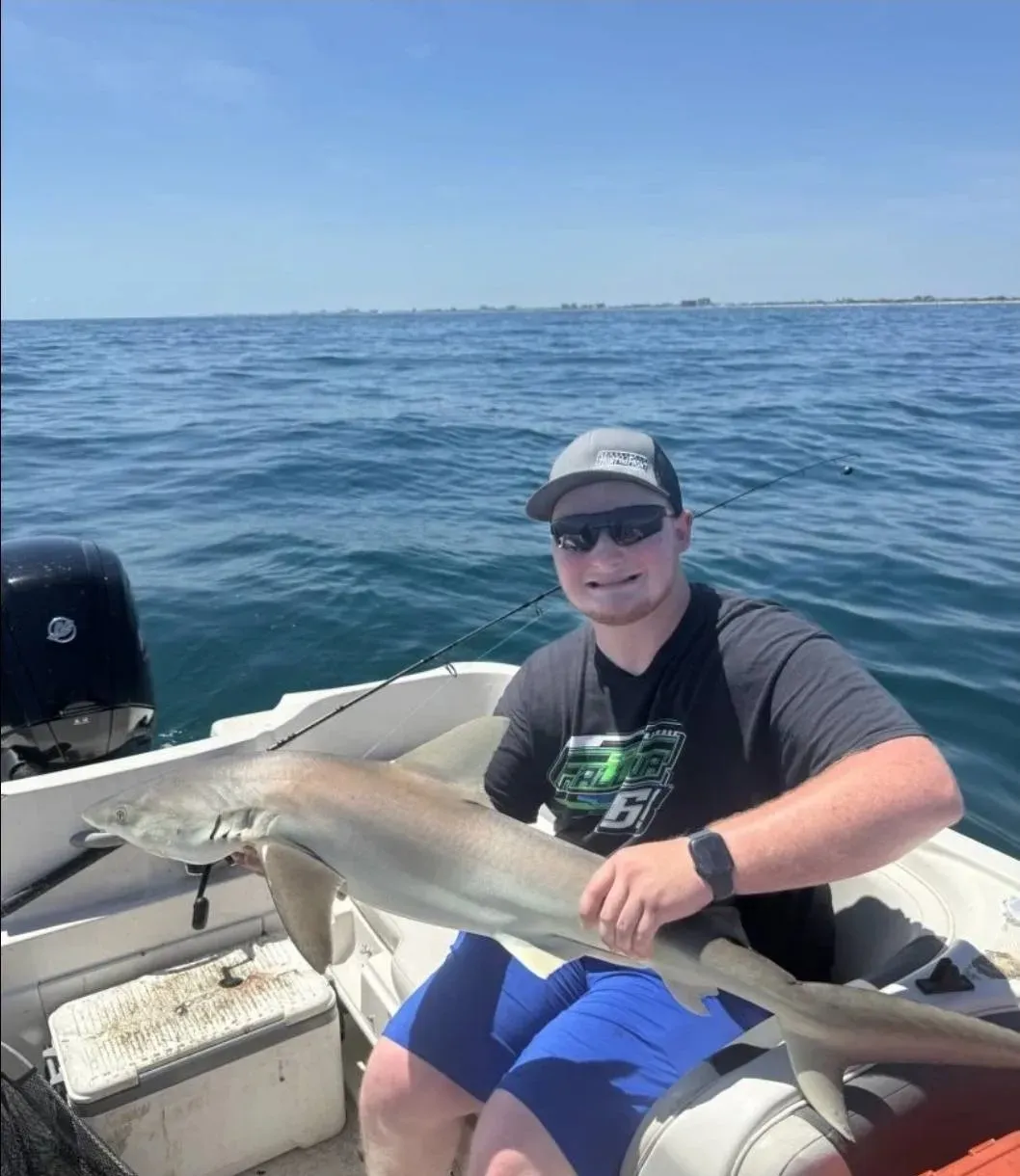
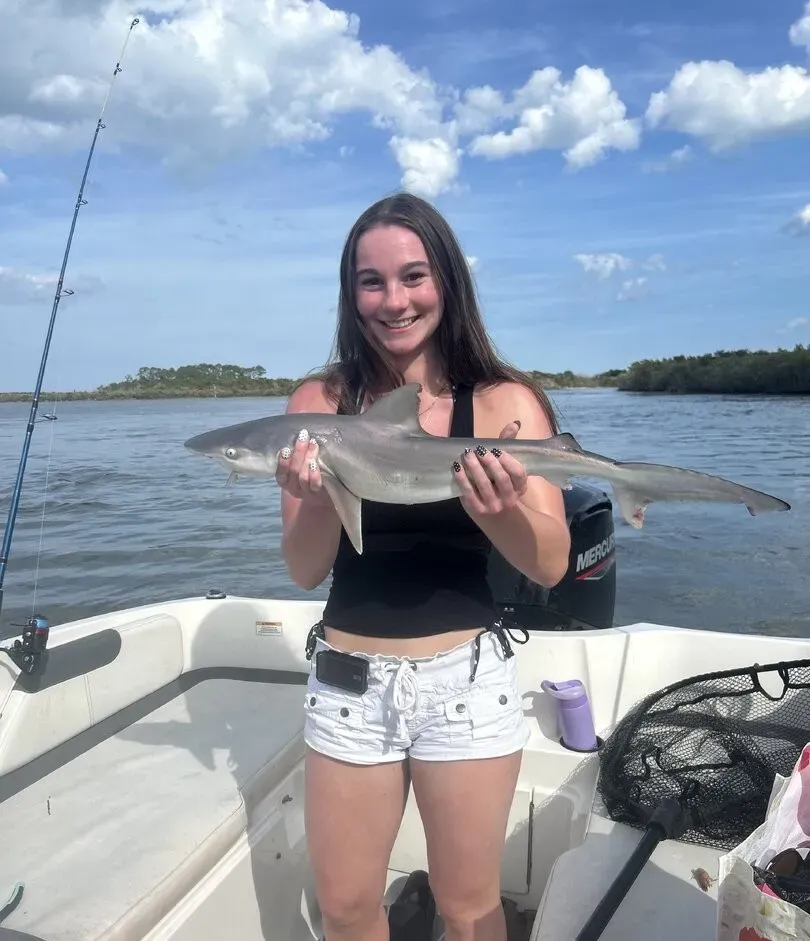
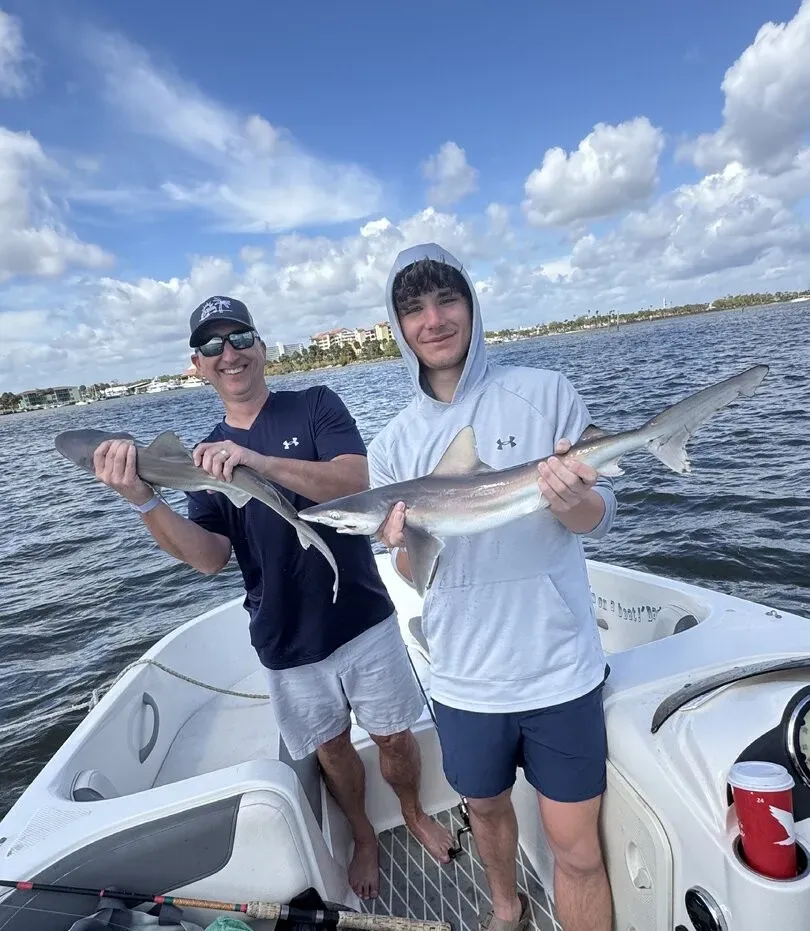
Shark fishing around Daytona Beach is not simply a matter of putting bait in the water and waiting for a bite. Daytona Beach Shark Fishing becomes more productive when anglers understand which part of the inshore system a particular shark is using and why. The Halifax River, tidal creeks, shallow flats, deeper channels, and nearby coastal waters offer different conditions for different shark species. Bull Sharks can use deeper, brackish areas, while Blacktips may track active baitfish and Bonnetheads often work shallow bottom areas. Tide, current, water temperature, salinity, and bait movement can shift these patterns during the same trip. Knowing those differences makes it easier to choose the right water, bait, and presentation.
The Three Shark Patterns You Need to Understand Around Daytona
Three common shark targets around Daytona require noticeably different approaches. Understanding these patterns before choosing a location can save time and help anglers present bait where a shark is most likely to encounter it.
- Bull Shark Pattern: Bull Sharks can use deeper inshore and brackish water, making channel edges, deeper river sections, and areas with moving water worth attention. When targeting larger sharks, the focus should be on finding a suitable depth with bait movement rather than automatically fishing the shallowest water.
- Blacktip Pattern: Blacktips are more closely tied to active bait movement. When baitfish are moving through an area, the edges of that activity can become more interesting than an empty section of otherwise suitable water. This makes locating bait an important part of Shark Fishing Daytona Beach.
- Bonnethead Pattern: Bonnetheads have a different feeding pattern from larger sharks and commonly work shallow areas with sandy or muddy bottom. Their bottom-oriented feeding behavior makes flats and shallow transitions more relevant, with bait presented close to the bottom.
The important difference is that these sharks should not all be approached with the same depth, bait size, or presentation. If bait is present but shark activity is limited, first determine which species pattern best matches the water you are fishing.
Bull Shark Fishing Daytona Beach: Fish the Deeper Water Around Moving Bait
Bull Sharks require a different approach from sharks that spend more time working shallow flats. Around Daytona, deeper sections of the Halifax River and other inshore areas can be more relevant when the goal is to target larger sharks. Channel edges are particularly useful to examine because they connect deeper holding water with shallower areas where bait may move as the tide changes.
- Where to Start: Look for deeper water near channel edges, especially where a depth change meets moving current or nearby bait activity. The edge itself can be more important than simply fishing the deepest available water.
- What to Look For: Pay attention to bait concentrated along a channel, current moving past a transition, or areas where deeper water provides access to nearby feeding zones. A channel with no bait or noticeable activity is less compelling than one showing signs of forage movement.
- Bait Choice: Larger fresh natural bait can be appropriate when targeting a larger shark. The bait should still reflect the forage available in the area rather than simply being the largest bait available.
- How to Present It: Place the bait at the depth where the shark is most likely to encounter it. If the bait remains untouched while other signs suggest sharks are nearby, adjust the depth or position before abandoning the area.
- When to Move: If bait activity disappears or the current changes enough to move the feeding zone, reposition along the same channel system. The shark may have shifted with the food source rather than leaving the area entirely.
Blacktip Shark Fishing Daytona Beach: Find the Bait Before You Find the Shark
Blacktip Shark Fishing Daytona Beach often starts with finding the bait rather than selecting a location from a map. Blacktips can be highly mobile, so an area that looks suitable may become unproductive once baitfish move elsewhere. Instead of treating one stretch of river or shoreline as permanently productive, watch for signs that bait is being actively pushed, scattered, or concentrated.
- Start With Bait: Look for mullet and other visible baitfish activity before deciding where to deploy a bait. Repeated bait movement can be more useful than simply seeing a few fish near the surface.
- Read the Surface: Nervous water, scattered bait, diving birds, or bait repeatedly moving along an edge can indicate predator activity. These signs become more useful when they occur near a current seam or depth transition.
- Work the Edges: A shark does not necessarily need to be directly inside a bait school. Predators can use the outside edge of moving bait where they can intercept individual fish. Positioning a bait along this route can provide a more natural presentation.
- Use Fresh Bait: Fresh baitfish or fresh cut bait can be useful when Blacktips are actively feeding. Match the bait size to the fish being targeted and the forage already present in the area.
- Keep Moving: If the bait shifts, the fishing pattern can shift with it. When an area becomes quiet, follow the bait movement instead of remaining in the same location simply because it produced earlier.
Bonnethead Shark Fishing Daytona Beach: Work the Bottom on Shallow Flats
Bonnethead Shark Fishing Daytona Beach calls for a different strategy because these sharks commonly work shallow areas and feed close to the bottom. Instead of focusing primarily on deeper channels or suspended bait activity, anglers can pay closer attention to flats with suitable bottom and enough water movement to bring food across the area.
- Where to Look: Start with shallow flats, sandy or muddy bottom, and areas where the flat transitions into slightly deeper water. These changes can give Bonnetheads access to feeding areas while still allowing them to move into deeper water when conditions change.
- What Makes Them Different: Bonnetheads are more closely associated with bottom-oriented feeding than the larger shark targets discussed above. That makes the position of the bait especially important.
- Bait Placement: Keep the natural bait close to the bottom and present it along the part of the flat where fish are actively moving or feeding. A bait suspended well above the bottom may not match the feeding behavior of the target.
- Boat Position: Approach the flat carefully and avoid unnecessarily disturbing the shallow water. Position the boat so the bait can be worked through the productive section without repeatedly passing directly over it.
- How to Adjust: If there are signs of fish but no bites, change the bait's position or depth before leaving the flat. A small adjustment can put the bait directly into the feeding zone.
Halifax River Shark Fishing: How to Read a Channel Instead of Fishing It Blind
Halifax River Shark Fishing becomes more productive when anglers read a channel as a combination of different depths rather than treating it as one uniform area. Start with the transition where a shallow flat drops into deeper water, as this gives bait and sharks access to multiple depths as the tide moves. The channel edge can also be more useful than the deepest section because sharks may travel along the depth change while waiting for bait to pass through.
Current direction adds another layer to the setup. Watch which side of the channel is carrying bait and look for areas where the flow begins to slow. Sharks do not always need to sit directly in the strongest current. A slower section beside moving water can give them an easier opportunity to intercept bait without fighting the full force of the flow.
How the Tide Changes Your Shark Strategy in Daytona Beach
The tide can change the location of the feeding zone even when you remain within the same section of the Halifax River. During an incoming tide, check shallow edges and flats where rising water gives bait access to areas that were previously too shallow. As the current strengthens, look for shoreline sections, points, and channel edges where moving water slows enough for bait to collect.
An outgoing tide can shift attention toward channels, deeper transitions, and areas where bait is being carried away from the flats. When the current weakens, the same location may become less productive because bait movement has slowed. Rather than staying in one spot for the entire tide, follow the movement of bait and reposition the bait along the new feeding line.
What to Put on the Hook: Match the Bait to the Shark
The best shark bait depends on the species being targeted and how it is feeding in that part of Daytona's inshore system. Rather than choosing the largest bait available, consider what forage is present and where the shark is likely to encounter it.
- For Bull Sharks: Larger fresh natural bait can be appropriate when targeting larger sharks. The bait should still reflect the type of forage available in the area rather than simply using the biggest bait possible.
- For Blacktips: Fresh baitfish or fresh cut bait can work well when Blacktips are actively following bait schools. Present the bait along the edge of the activity instead of placing it randomly away from the feeding zone.
- For Bonnetheads: Smaller natural bait presented close to the bottom fits their shallow, bottom-oriented feeding behavior. Focus on flats and sandy or muddy areas where Bonnetheads are actively working the bottom.
The 5-Step Setup for Fishing a Daytona Beach Shark Bait
Shark fishing becomes more consistent when the bait is placed according to the conditions rather than simply dropped into the water. The following process helps connect the target species with the right depth, current, and location.
- Step 1: Identify the Shark Pattern: Decide whether the area better matches a Bull Shark, Blacktip, or Bonnethead pattern. This determines whether you should focus on deeper channels, active bait schools, or shallow bottom areas.
- Step 2: Find the Interception Point: Look for where bait is moving past a channel edge, flat transition, shoreline, or current seam. The goal is to place the bait along the path a shark can use to intercept it.
- Step 3: Set the Bait Depth: Put the bait at the depth where the target shark is holding. Do not automatically fish the bottom for every species, especially when the fish are using deeper water or following suspended bait.
- Step 4: Let the Water Carry the Presentation: Allow the current to move scent and bait naturally through the feeding zone. Avoid constantly moving the bait when the water is already providing the movement.
- Step 5: Make One Change at a Time: If the area has bait and suitable conditions but no bite, change the depth first. If that does not work, adjust the position or bait. Changing one variable at a time makes it easier to identify what the sharks are responding to.
What Tells You to Stay, Move Deeper, or Move to Another Area?
Knowing when to stay with a spot is just as important as knowing when to leave it. Watch the bait, current, depth, and predator activity before making the next move.
Stay
Remain in the area when bait, current, and predator activity continue showing signs of a productive feeding zone.
- Baitfish remain concentrated or continue moving through the same area.
- Current continues flowing predictably around the channel edge, flat, or structure.
- You notice disturbed bait or other signs of predator activity.
- The same depth transition continues providing suitable holding and feeding water.
Move Deeper
Shift toward deeper water when shallow areas become less active or conditions change noticeably.
- Bait activity decreases across the shallow flat.
- A sudden temperature change makes deeper, more stable water worth checking.
- Forage moves away from the flat toward a channel or deeper transition.
- Changing tide movement redirects the feeding zone toward deeper structure.
Move to Another Area
Leave the area when bait, current, and other signs no longer support continued shark activity.
- There is little or no visible bait activity.
- Current movement is too weak to concentrate forage.
- No feeding signs appear after working the productive depths.
- Weather, tide, temperature, or water clarity has changed significantly.
What Changes After Rain, Wind or a Temperature Drop?What Changes After Rain, Wind or a Temperature Drop?
Weather changes can alter the conditions that put sharks in a particular area. After heavy rain, freshwater entering the inshore system can change salinity and may affect where fish position. Strong wind can push bait toward certain shorelines while also disturbing shallow water and reducing visibility. A sudden temperature drop can make deeper or more stable water worth checking if shallow areas become less active.
Water clarity also affects presentation. Clear water may require more careful bait placement, while stained water can make scent and natural bait more important. When conditions change, anglers do not necessarily need to abandon the entire fishing area. Changing depth, location, or presentation can often be a better first adjustment.
How Jus Chillin Charters Approaches Daytona Beach Shark FishingHow Jus Chillin Charters Approaches Daytona Beach Shark Fishing
At Jus Chillin Charters, we approach shark trips by considering the target species and the conditions on the water before deciding how to fish. Tide, bait activity, water depth, current, and water conditions all influence where we look and how we present bait. Our approach can change depending on whether the goal is to target a larger shark around deeper water or work shallower areas for species such as Bonnetheads.
We can adjust between shallow flats, deeper channels, shoreline edges, and current-driven areas as conditions change. When bait moves or the tide shifts the feeding zone, we can change the fishing location or presentation rather than continuing with the same setup throughout the trip.
Our trip includes fishing equipment and licenses. Anglers can also communicate their preferred shark target and fishing goals before the trip, while the actual approach can be adjusted according to what is happening on the water.
Conclusion
Successful Daytona Beach shark fishing is less about dropping bait anywhere and more about understanding how each species uses the inshore system. Bull Sharks may call for deeper water and larger natural bait, while Blacktips can require closer attention to moving baitfish. Bonnetheads offer a different shallow, bottom-oriented opportunity. Tide, current, temperature, and water clarity can shift these patterns during a trip, so staying alert to those changes matters. Jus Chillin Charters can help anglers plan a shark-focused trip around these conditions. Book your Daytona Beach shark fishing trip and put these strategies to work on the water.
FAQs
1. What time of day is best for shark fishing in Daytona Beach?
Early morning and late afternoon can offer productive conditions, but tide and bait activity are often more important than the clock. Sharks may remain active whenever current is moving bait through a productive area.
2. Can you catch sharks in the Halifax River year-round?
Shark activity can occur throughout the year, but the species and locations available to anglers can change with water temperature, salinity, bait movement, and seasonal conditions.
3. Are Bull Sharks found in the Halifax River?3. Are Bull Sharks found in the Halifax River?
Bull Sharks can use brackish and inshore environments, making sections of the Halifax River and connected waters relevant areas when conditions are suitable. Their location can change with salinity, temperature, bait, and tide.
4. How deep does the water need to be for shark fishing?
There is no single required depth. Some sharks can be targeted over shallow flats, while others may use deeper channels and drop-offs. The important factor is matching the depth to the species and feeding pattern.
5. Can you sight-fish for sharks in Daytona Beach?
Yes, sight-fishing can be possible when water clarity allows anglers to see sharks or feeding activity. Shallow flats and clear water provide better opportunities to observe fish before presenting bait.
6. What should you do if a shark follows the bait but does not bite?
First, avoid making several changes at once. Try adjusting the bait's depth, position, or movement while keeping it within the shark's feeding zone. If the fish continues to ignore it, changing the presentation may be more useful than immediately leaving.
7. How far should shark bait be placed from the boat?
The distance depends on water depth, current, fish position, and the location being targeted. The bait should be far enough from the boat to reach the productive area naturally without placing it outside the shark's likely feeding zone.
8. Can you catch Bonnethead sharks on artificial lures?
Bonnetheads are primarily bottom-oriented feeders, so natural bait is commonly used when targeting them. Artificial presentations can be used in some situations, but the lure needs to stay close to the bottom and match the feeding conditions.
9. What Florida regulations apply when targeting sharks?
Florida shark fishing is subject to species-specific regulations, including rules covering which sharks may be harvested, size limits, bag limits, and prohibited species. Anglers should check the current Florida Fish and Wildlife Conservation Commission regulations before fishing.
10. Can a Daytona Beach shark fishing trip be combined with other inshore fishing?
It can depend on the trip, target species, available fishing time, and conditions. If shark activity is limited or another inshore species is more productive, anglers can discuss combining targets with the charter captain when planning the trip.