%2Ffit-in%2F250x250%2Fguide_websites%2F18979%2Fimages%2F1727441837165jclogo.jpg&w=1920&q=100)
Southern Stingray Catch on Fishing Charter in Daytona Beach
Southern Stingray Encounters in Daytona Beach - What to Expect
%2F%2Fusers%2F6923edad-4e89-4117-84e8-46f018507be0%2Fimages%2Fsouthern-stingray-daytona-beach-fishing-2544.jpg&w=1920&q=75)
Fishing Charter by Captain Christian Ortiz in June
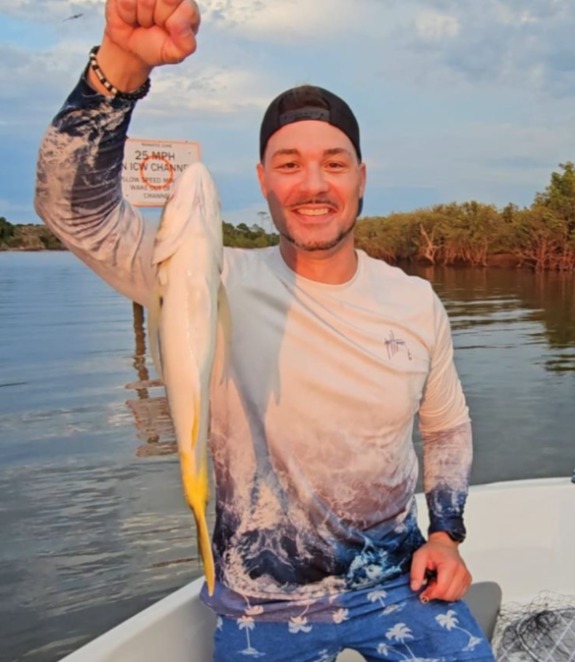
- Unforgettable Fishing Adventures in Daytona Beach!


Summary
Join Captain Christian Ortiz on a Friday, June fishing charter in Daytona Beach waters where stingrays and coastal species patrol the shallow flats. This Fishing Charter offers an immersive saltwater experience showcasing the region's diverse marine life and thrilling moments on the boat.
Fishing Charter with Captain Christian Ortiz - Rates & Booking
Captain Christian Ortiz of Jus Chillin Charters on Friday, June brought guests face-to-face with one of Daytona Beach's most fascinating shallow-water residents. This fishing charter showcases the skill and knowledge required to locate and safely interact with the region's diverse marine species. Contact Jus Chillin Charters to book your own adventure on these productive waters and experience the thrill of connecting with stingrays and other coastal wildlife. Reserve today to secure your spot.
Highlights of Your Daytona Beach Fishing Experience
The waters off Daytona Beach hold surprises around every corner. Anglers on this charter encountered a healthy southern stingray gliding through the shallows - a common but always impressive sight that reminds visitors just how rich and active these coastal ecosystems truly are. The flat, clear waters provide ideal conditions for spotting rays and other species moving across the sandy bottom.
Captain Christian Ortiz's local expertise transforms each moment into an educational and thrilling experience. Whether you're a seasoned angler or new to fishing charters, this trip delivers authentic encounters with the marine life that defines Daytona Beach's inshore environment.
Local Species Insights: Southern Stingray
Southern stingrays are among the most common and accessible large rays in Florida's coastal waters. These graceful creatures glide effortlessly across sandy flats and shallow bottoms, often leaving distinctive tracks as they hunt for mollusks, crustaceans, and small fish buried beneath the sand. Their flattened bodies and powerful fins allow them to move with surprising speed and agility, making them fascinating to observe from a fishing boat.
Daytona Beach's shallow inshore waters provide perfect habitat for stingrays. The sandy bottom, moderate depth, and abundance of food sources attract these rays year-round, making them a reliable highlight on many fishing charters. While stingrays possess venomous spines on their tails, they are generally docile and pose no threat to anglers observing from a boat. Their presence indicates a healthy, productive ecosystem teeming with life.
The experience of encountering a stingray while fishing reveals the complex web of marine life thriving in these waters. Unlike open ocean fishing where large game fish command attention, inshore charters celebrate the diversity and behavior of coastal species. A stingray sighting connects anglers to the natural world and the intricate balance that sustains Daytona Beach's fishery. Captain Christian Ortiz's knowledge helps guests appreciate every encounter, transforming what might seem like a casual sighting into a memorable moment that deepens appreciation for the marine environment.
Plan Your Daytona Beach Fishing Day
A fishing charter with Jus Chillin Charters offers flexibility to match your schedule and interests. Whether you prefer a half-day or extended outing, Captain Christian Ortiz customizes each trip to maximize your time on the water. The shallow, protected waters of Daytona Beach make for a comfortable and accessible fishing experience, suitable for guests of varying experience levels.
Bring sunscreen, polarized sunglasses, and weather-appropriate clothing for your day on the water. The coastal environment can shift quickly, so layers are recommended. Your captain will brief you on safety protocols and fishing techniques before heading out, ensuring everyone feels confident and prepared for the adventure ahead.
Fishing in Daytona Beach: Southern Stingray

Southern Stingray Overview
The Southern Stingray (Hypanus americanus) is a fascinating member of the Dasyatidae family within the order Myliobatiformes, and it's one of the most commonly encountered rays in coastal waters throughout the Western Atlantic. Known for its distinctive whiptail design, angular kite-like body, and venomous barb, this species is both a marvel of marine adaptation and a thrilling subject for anglers and marine enthusiasts. What makes the Southern Stingray truly special is its remarkable ability to sense electrical fields, its patient demeanor around humans, and the stark contrast between its aggressive-looking venomous tail and its generally peaceful, reclusive nature. Whether you're exploring the shallow bays of Florida or wading through estuaries along the Caribbean coast, you're likely to encounter this impressive ray gliding gracefully across sandy bottoms.
Southern Stingray Habitat and Distribution
Southern Stingrays are homebodies of the shallow marine environment, preferring sandy and muddy flats, seagrass beds, and the gentle waters of coastal bays and estuaries. They thrive in ocean beaches, nearshore zones, and offshore habitats where sandy substrates provide ideal hunting grounds. These rays love the tranquil waters around piers, jetties, and river mouths where they can forage undisturbed. Geographically, they range throughout the western Atlantic, from the Gulf of Mexico and Florida Keys down through the Caribbean and along the South American coast. Interestingly, Southern Stingrays are typically solitary creatures, preferring to hunt and rest alone. However, when venturing into deeper, open water where hammerhead sharks and other large predators roam, they'll occasionally gather in small groups for safety in numbers—a fascinating behavioral adaptation that showcases their intelligence and survival instincts.
Southern Stingray Size and Weight
Size variation in Southern Stingrays is striking, particularly between males and females. Male Southern Stingrays typically max out around 26 inches in disk width, while females can reach an impressive 59 inches or nearly 6 feet long. The larger size typically spans between 60 to 79 inches when accounting for tail length, with weights ranging from 50 pounds on the lower end to an impressive 200 pounds for the largest specimens. This sexual dimorphism is one of the most dramatic size differences among ray species, meaning that what you hook could vary dramatically depending on the individual. The heavier females are particularly challenging for anglers, requiring robust equipment and patience to successfully land.
Southern Stingray Diet and Behavior
Southern Stingrays are opportunistic foragers with a sophisticated hunting strategy that involves flapping their distinctive wing-like fins to brush away sand and sediment from the ocean floor, revealing hidden prey beneath. They feed primarily on small crustaceans, juvenile fishes, and worms—whatever the sandy bottom offers. What's remarkable is their ability to detect these prey items not just through sight or smell, but through an extraordinary electrosensory system using specialized organs called the Ampullae of Lorenzini, which allows them to sense the electrical fields generated by other living creatures. Beyond their predatory prowess, Southern Stingrays are surprisingly patient and tolerant of human presence. They can even be hand-fed in some locations, though marine biologists caution that frequent hand-feeding may disrupt local ecological balance. These rays are generally non-aggressive and prefer to hide beneath sand and flash their venomous tail as a warning defense mechanism rather than actively attacking. They possess an acute sense of smell that complements their electrical detection abilities, making them formidable hunters in murky waters where visibility is limited.
Southern Stingray Spawning or Seasonal Activity
Female Southern Stingrays reproduce through viviparity, meaning they give birth to live young rather than laying eggs. A particularly fascinating reproductive trait is their ability to mate immediately after giving birth, allowing them to maintain a rapid reproductive cycle that contributes to stable population numbers in their native range. While specific seasonal peaks aren't extensively documented in popular literature, these rays tend to be more active and visible during warmer months when they venture into shallower waters for feeding and breeding. Their presence in bays and near-shore environments is generally consistent year-round in tropical and subtropical regions, though northern populations may show more pronounced seasonal movement patterns tied to water temperature changes. Spring and summer months typically offer the best window for observation and angling opportunities, as the warmer water attracts them into areas more accessible to beachgoers and pier anglers.
Southern Stingray Techniques for Observation or Capture
Method 1: Pier Fishing with Live Bait
The most effective and popular technique for Southern Stingrays involves fishing from piers or jetties with live bait—particularly live pinfish or other small baitfish. Cast your rigged pinfish into sandy areas near the pier structure and allow it to move naturally. Use a 150-pound braided line rated for these heavy creatures, as Southern Stingrays can weigh over 200 pounds when fully grown. Once hooked, resist the urge to immediately reel with full force; instead, apply steady, gradual pressure and reel in short, incremental movements every few seconds. The ray will often resist if it senses the line is too tight, so maintaining a conversational tension is key. Lead it carefully toward shore, being deliberately cautious to steer clear of your own feet—a Southern Stingray's tail wound is a serious injury best avoided. Around coastal Florida cities like Miami, Tampa, and Key West, piers remain prime locations because they provide solid footing and a psychological advantage when battling these powerful bottom-dwellers.
Method 2: Shallow Water Wading and Observation
For anglers seeking a more immersive experience, wading through shallow bays and seagrass flats during early morning or late afternoon hours offers excellent opportunities to sight-cast or hand-line Southern Stingrays. Move slowly and deliberately through sandy and muddy bottoms, watching for the characteristic wing-like fin movements or the slight bulge they create when resting just beneath the surface. Many experienced anglers choose to bring small live shiners or shrimp to hand-feed these surprisingly docile creatures, though remember this should be done sparingly and responsibly. The patience required is rewarded with unforgettable up-close encounters with these magnificent rays in their natural environment.
Method 3: Spearfishing
For the more adventurous angler, spearfishing or spearguns offer a traditional method for pursuing Southern Stingrays in clear shallow waters. This technique requires excellent breath-hold abilities, sharp aim, and respect for local regulations. Approach slowly from above or behind as you spot rays resting on the bottom, and strike decisively. This method is best reserved for experienced divers familiar with local laws and ethical hunting practices.
Southern Stingray Culinary or Utilization Notes
Southern Stingrays possess average culinary quality as table fare. Their meat is edible and has been consumed by coastal communities throughout their range for generations, though they're not typically targeted specifically for food in most regions. The meat can be prepared similarly to other ray species—cut into steaks or fillets—but it requires careful handling to remove all traces of the venomous tail barb and associated tissues. The flavor is mild and somewhat fishy, with a texture that varies depending on preparation method. From a sustainability perspective, Southern Stingrays are not currently considered overharvested, and their reproductive capacity appears sufficient to maintain stable populations. If you do choose to keep one, ensure you're familiar with local regulations and proper field dressing techniques, particularly regarding the removal of the barb to prevent accidental injury during processing.
Southern Stingray Frequently Asked Questions
Q: What is the best bait for catching a Southern Stingray?
A: Live bait, particularly live pinfish or small mullet, consistently produces the best results. The natural movement and electrical signals emitted by live baitfish trigger the ray's powerful sensory systems. Alternatively, fresh shrimp can work, though live fish are superior. Use a single hook rather than trebles, and allow the bait to move freely to appear natural.
Q: Where can I find Southern Stingrays near popular fishing cities?
A: Southern Stingrays are abundant throughout Florida's bays, estuaries, and nearshore waters. In cities like Miami, Tampa, and Key West, focus on piers, jetties, and shallow flats during tide changes. Throughout the Caribbean, any sandy bay with seagrass beds will host populations. They're native throughout the region, so your best bet is any productive coastal area with suitable habitat.
Q: Is the Southern Stingray good to eat?
A: The flesh is edible but ranks as average in culinary quality. Most modern anglers catch and release these rays rather than keeping them for food, though some coastal communities still utilize them. The meat must be properly cleaned to remove all venomous tissue from the tail barb.
Q: When is the best time to catch a Southern Stingray?
A: Spring and summer months offer peak activity as water temperatures warm and rays move into shallow waters for feeding and breeding. Warmer months generally provide better odds, though these rays are present year-round in tropical regions. Early morning and late afternoon tides often produce the most active feeding periods.
Q: How do I safely handle a Southern Stingray I've caught?
A: Approach with extreme caution and respect. Keep the barbed tail pointed away from your body and legs at all times. Many anglers use a net or landing tool to secure the ray before handling. If you must handle it, consider wearing thick gloves and long pants. Remember that the venomous barb is a defensive weapon used only when the ray feels threatened—if given space, they remain docile.
Q: Can Southern Stingrays detect me in the water?
A: Absolutely. These rays possess an extraordinary electroreceptive system (Ampullae of Lorenzini) that detects electrical fields generated by living creatures, combined with an acute sense of smell. They can sense your presence long before you see them. Moving slowly, quietly, and downwind (in terms of water current) increases your chances of getting close for observation or photography.